
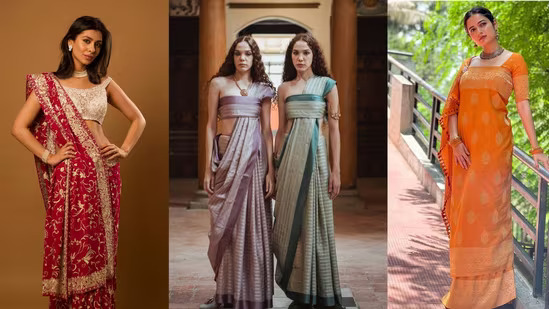
Every saree carries a memory.
A grandmother’s wedding silk preserved in a wooden trunk.
A mother’s cotton saree is worn every morning without fail.
A young woman nervously drapes her first saree for an important day.
On December 21, these personal stories come together as women across the world celebrate World Saree Day, a day that goes far beyond fashion. It is a tribute to tradition, craftsmanship, identity, and the quiet power of a garment that has survived thousands of years without losing its soul.
In an era of fast-changing trends and disposable clothing, the saree stands still, timeless, graceful, and deeply rooted. World Saree Day reminds us why this six-to-nine-yard drape continues to matter, not just in India, but globally.
The Story, Significance, and Global Rise of World Saree Day
How World Saree Day Began as a Cultural Movement
World Saree Day did not begin as a government initiative or a fashion industry campaign. It began in 2009 as a heartfelt cultural movement by saree enthusiasts who sought to revive everyday appreciation for this traditional attire.
At a time when western clothing was rapidly becoming dominant, the idea was simple: to wear a saree with pride and encourage others to do the same. Social media gave this movement a voice, and what began as a small initiative soon transformed into a global celebration.
Also Read: https://y3koutfits.com/pony-hairstyles-for-weddings/
The Meaning Behind Choosing December 21
December 21 marks the Winter Solstice, the shortest day of the year and a symbol of renewal and continuity. Much like the saree, which has endured centuries of change, this date represents resilience, warmth, and tradition.
Choosing December 21 adds a poetic layer to World Saree Day, which celebrates not just clothing, but the continuity of culture across generations.
Why the Saree Is One of the World’s Oldest Living Garments
The saree is believed to be over 5,000 years old, making it one of the oldest garments still worn today. Ancient sculptures, texts, and archaeological findings from the Indus Valley Civilization depict draped clothing strikingly similar to modern sarees.
Unlike stitched garments that evolve and disappear, the saree has adapted without losing its essence. Its survival is a testament to its practicality, elegance, and cultural relevance.
A Single Drape, Hundreds of Regional Identities
No other garment reflects India’s diversity like the saree. Every region tells its own story through fabric, weave, and motifs.
From the rich Banarasi silks of Uttar Pradesh to the temple-inspired Kanjeevarams of Tamil Nadu, from delicate Chanderis to vibrant Sambalpuris, each saree is a cultural signature. World Saree Day celebrates this incredible regional identity woven into every thread.
Saree as a Symbol of Strength, Grace, and Femininity
The saree is often associated with elegance, but its true power lies in its versatility. It has been worn by farmers, freedom fighters, artists, teachers, leaders, and professionals alike.
It allows freedom of movement while enhancing confidence and self-expression. On World Saree Day, women reclaim the narrative that tradition and empowerment can coexist beautifully.
The Unsung Weavers Behind Every Handloom Saree
Behind every handwoven saree is a story of patience, skill, and heritage. Many weavers inherit this craft through generations, often working for weeks or months on a single piece.
World Saree Day shines a spotlight on these artisans, reminding consumers to value handloom, slow fashion, and ethical choices. Choosing a handwoven saree is not just a style statement; it is an act of cultural preservation.
How Modern Fashion Is Reinventing the Saree
Far from being outdated, the saree has found new life in modern fashion. Designers experiment with contemporary drapes, sustainable fabrics, and minimalist aesthetics while respecting traditional roots.
Pre-stitched sarees, belt styling, fusion blouses, and global runways have made the saree appealing to younger generations. World Saree Day bridges the gap between heritage and modern expression.
Why World Saree Day Is Now a Global Celebration
Today, World Saree Day is celebrated far beyond India. Women from the Indian diaspora and global fashion communities participate by wearing sarees, hosting cultural events, and sharing stories online.
From offices in New York to community halls in London and cultural festivals in Australia, the saree has become a symbol of global cultural pride.
Social Media’s Role in Reviving Saree Culture
Hashtags like #WorldSareeDay, #SareeLove, and #SixYardsOfGrace trend every year, turning personal memories into a collective celebration.
Social media has helped younger audiences reconnect with the saree not as an obligation, but as a choice rooted in pride, creativity, and individuality.
Why World Saree Day Matters More Than Ever Today
In a world dominated by fast fashion and mass production, World Saree Day stands for sustainability, authenticity, and mindful living.
It encourages people to slow down, invest in quality, support artisans, and celebrate clothing that carries meaning. The saree is not just worn, it is experienced.
Why Is World Saree Day Celebrated?
World Saree Day is celebrated to honor the saree as a cultural, emotional, and artistic symbol. It aims to preserve textile heritage, uplift weaving communities, promote sustainable fashion, and inspire pride in traditional attire.
More importantly, it reminds women that tradition can be powerful, personal, and proudly modern.
How People Celebrate World Saree Day Around the World
Celebrations vary, but the spirit remains the same:
- Wearing regional or heirloom sarees
- Organizing saree walks and cultural gatherings
- Supporting handloom brands and local weavers
- Sharing personal saree stories online
- Introducing younger generations to traditional draping
Each celebration adds a new chapter to the saree’s living legacy.
World Saree Day Through Personal Stories
For many women, World Saree Day is deeply personal. It is about wearing a mother’s favorite cotton saree or reviving a forgotten silk drape from a grandmother’s collection.
Others wear a saree for the first time, discovering confidence in pleats and pallu. These stories transform World Saree Day from a cultural event into an emotional experience.
Read More: 9 Stunning Layered Haircuts Every Stylist Should Recommend
Frequently Asked Questions About World Saree Day
1. When is World Saree Day celebrated?
World Saree Day is celebrated every year on December 21.
2. Why is World Saree Day important?
It promotes cultural heritage, sustainable fashion, and appreciation for traditional Indian textiles.
3. Who can celebrate World Saree Day?
Anyone across the world who appreciates culture, tradition, and the saree can participate.
4. Is World Saree Day only about fashion?
No, it also honors artisans, history, identity, and women’s empowerment.
5. How can I take part in World Saree Day?
Wear a saree, support handloom, attend cultural events, or share your saree story online.