
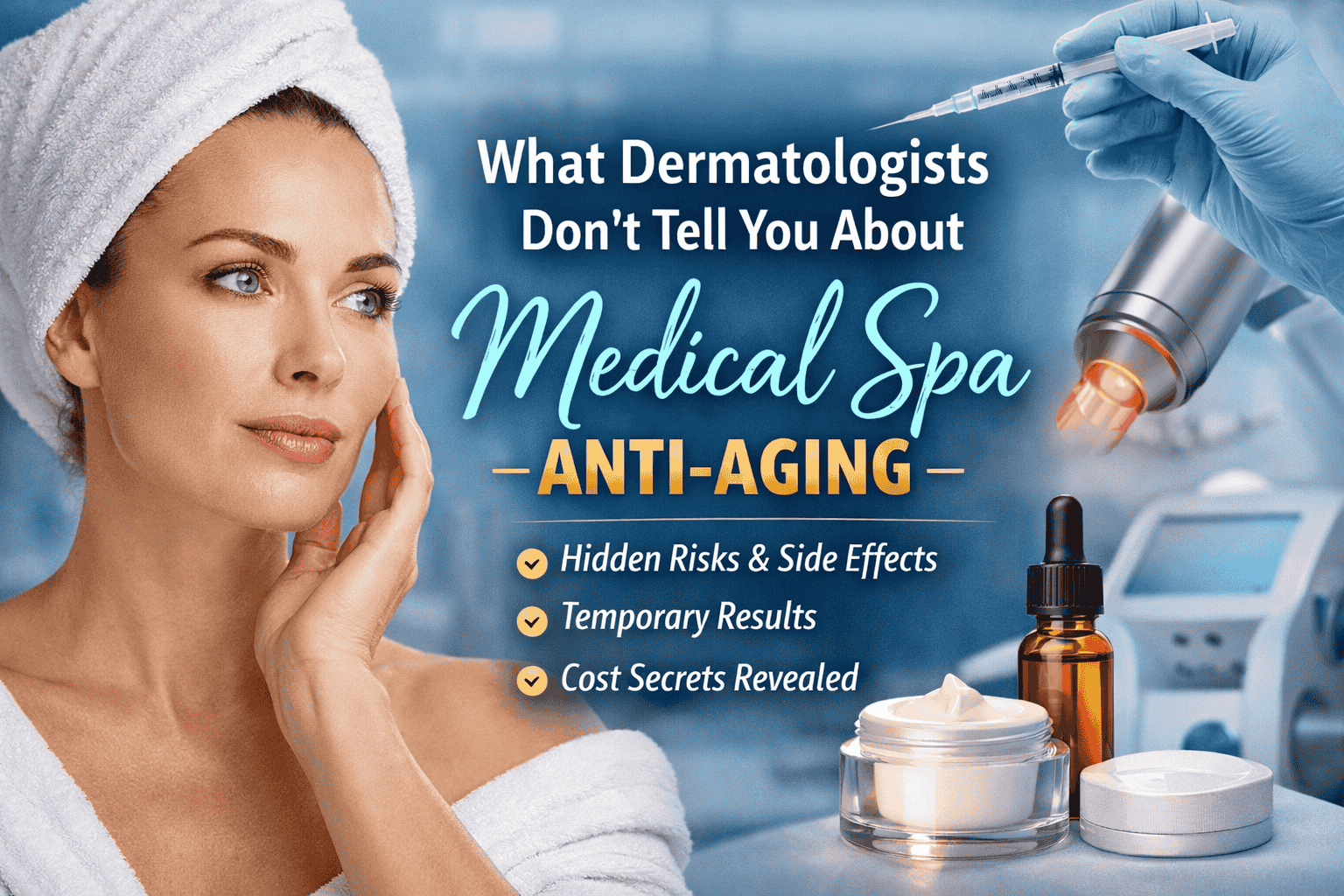
Medical spas, often called med spas, have exploded in popularity over the past decade. Promising youthful, glowing skin without invasive surgery, these facilities offer treatments like Botox, dermal fillers, chemical peels, and laser therapies. While dermatologists often recommend or even run these procedures themselves, there are several lesser-known truths about medical spa anti-aging treatments that are rarely discussed openly. Understanding these can help you make more informed decisions and avoid unrealistic expectations.
1. Results Are Temporary—Not Permanent
One of the biggest misconceptions is that med spa treatments provide long-lasting or permanent results. In reality, most anti-aging procedures are temporary. Botox typically lasts 3–6 months, while dermal fillers can last anywhere from 6 months to 2 years, depending on the type.
What dermatologists may not emphasize enough is the ongoing commitment required. Maintaining results means scheduling regular appointments, which can become both time-consuming and expensive over time.
Also Read: Best Procedures You Can Get at a Medical Spa for Real Results
2. “Preventative” Treatments Aren’t Always Necessary
You’ve likely heard the term “preventative Botox,” especially on social media. While early treatment can delay wrinkle formation, not everyone needs it in their 20s. Dermatologists may recommend early interventions, but this often depends on individual skin type, genetics, and lifestyle.
The truth is, good skincare habits like sunscreen use, hydration, and a balanced diet can be just as effective in delaying signs of aging without medical intervention.
3. Not All Providers Are Equally Skilled
Medical spas vary widely in quality. While some are overseen by experienced dermatologists or licensed physicians, others may rely heavily on technicians with minimal training. This is something rarely highlighted in marketing materials.
Poorly administered treatments can lead to complications such as uneven results, infections, or even long-term damage. Always check credentials, reviews, and whether a qualified professional is supervising the procedures.
4. Natural-Looking Results Require Subtlety
Many people fear looking “overdone” after treatments, and for good reason. Achieving natural results is an art that requires restraint and expertise. Dermatologists may not always stress how easy it is to cross the line from enhancement to exaggeration.
Less is often more. Gradual improvements over time tend to yield better, more natural outcomes compared to aggressive treatments done all at once.
Also Read: What Is the Clear Liquid That Comes Out of a Pimple?
5. Side Effects Are More Common Than Advertised
While med spa treatments are generally safe, they are not risk-free. Common side effects include redness, swelling, bruising, and temporary discomfort. In rare cases, complications like allergic reactions, burns, or vascular issues can occur.
Marketing often downplays these risks, but it’s important to have a clear understanding before undergoing any procedure. A thorough consultation should always include a discussion of potential side effects and recovery time.
6. Results Depend on Your Skin, Not Just the Treatment
Two people receiving the same treatment can have completely different results. Factors like skin type, age, lifestyle, and underlying health conditions all play a role.
Dermatologists may not always highlight this variability, but it’s crucial to set realistic expectations. What works beautifully for one person may not deliver the same outcome for another.
7. Skincare Still Matters—A Lot
Many people assume that once they start med spa treatments, they can neglect their daily skincare routine. This couldn’t be further from the truth.
Professional treatments work best when combined with consistent at-home care. Cleansing, moisturizing, using sunscreen, and applying targeted treatments like retinoids or antioxidants can significantly enhance and prolong results.
Also Read: 6 Anti-Aging Tips That’ll Transform Your Beauty Routine
8. Costs Add Up Quickly
The upfront cost of a single treatment might seem manageable, but anti-aging is rarely a one-time investment. Regular maintenance sessions, combined with skincare products and occasional advanced treatments, can add up to a significant yearly expense.
Dermatologists may not always break down the long-term financial commitment, but it’s something you should consider before starting any treatment plan.
9. Trends Aren’t Always Safe or Effective
The beauty industry is heavily influenced by trends, from “glass skin” to “lip flips” and beyond. While some trends are harmless, others may not be suitable for everyone.
Dermatologists might offer trendy treatments because they’re in demand, but that doesn’t mean they’re the best option for your skin. Personalized care should always take precedence over following the latest fad.
10. Aging Is Natural—and That’s Okay
Perhaps the most important thing dermatologists don’t always emphasize is that aging is a natural process. While there’s nothing wrong with wanting to look your best, chasing perfection can lead to unnecessary procedures and dissatisfaction.
A balanced approach, enhancing your natural features while embracing aging, often leads to better long-term satisfaction than trying to erase every line or wrinkle.
11. Some Treatments Work Better in Combination
What’s rarely discussed is that many med spa treatments are most effective when combined. For example, Botox can relax wrinkles, while fillers restore volume, and laser treatments improve skin texture.
However, combining treatments also increases cost and requires careful planning. Not all combinations are suitable for everyone, and overdoing it can lead to unnatural results.
12. Marketing Can Be Misleading
Before-and-after photos are powerful marketing tools, but they don’t always tell the full story. Lighting, angles, and even makeup can dramatically influence how results appear.
Dermatologists and med spas may use these images to showcase success, but it’s important to approach them with a critical eye. Real-life results are often more subtle than what you see online.
Conclusion
Medical spa anti-aging treatments can be highly effective when done correctly and for the right reasons. However, they are not miracle solutions. Understanding the realities of temporary results, ongoing costs, potential risks, and the importance of skilled providers can help you make smarter choices.
Instead of relying solely on treatments, focus on a holistic approach: maintain a good skincare routine, protect your skin from sun damage, and adopt a healthy lifestyle. When combined with carefully chosen medical spa procedures, this balanced strategy can help you age gracefully and confidently.
Also Read: 3 Major Things To Know About The Pico Laser Treatment Process
FAQs (Frequently Asked Questions)
1. Are medical spa anti-aging treatments safe for everyone?
Most treatments are safe when performed by qualified professionals, but suitability depends on your skin type, age, and medical history. A consultation is essential.
2. How long do results from med spa treatments typically last?
Results vary by procedure. Botox lasts around 3–6 months, while fillers can last 6–24 months. Maintenance sessions are usually required.
3. Can I rely only on med spa treatments for anti-aging?
No, consistent skincare, sun protection, and a healthy lifestyle are equally important to maintain and enhance treatment results.
4. What are the most common side effects of these treatments?
Common side effects include redness, swelling, bruising, and mild discomfort. Serious complications are rare but possible if done incorrectly.
5. How do I choose the right medical spa or provider?
Look for licensed professionals, check reviews, verify credentials, and ensure a qualified doctor supervises the treatments.