
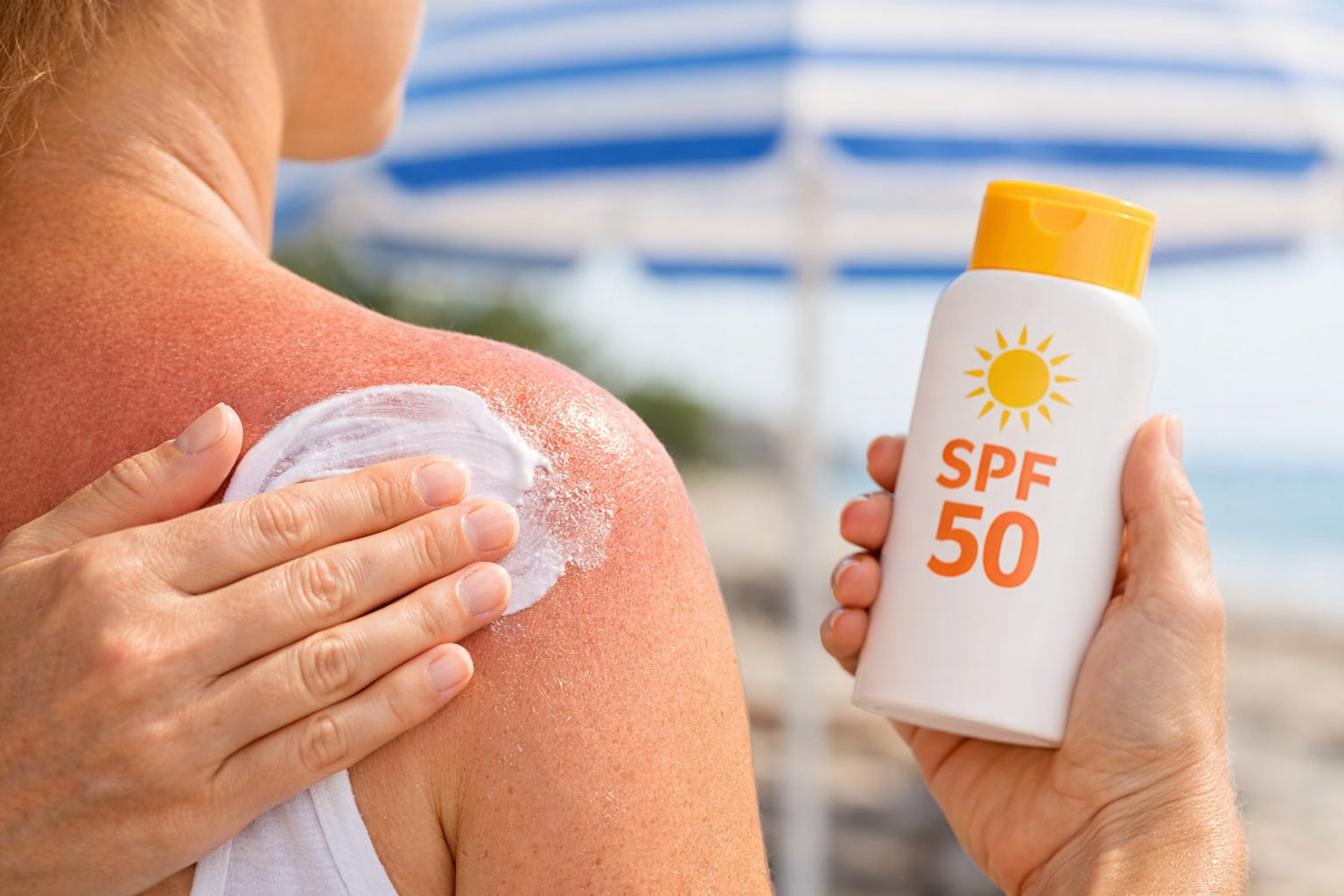
A bad sunburn is more than just painful; it’s a serious warning sign that your skin has sustained DNA damage. Even a single blistering sunburn can significantly increase your risk of developing skin cancer later in life. While you can’t undo the damage already done, you can take powerful steps to protect your skin, support healing, and reduce future cancer risk.
This guide explains how to prevent skin cancer after a bad sunburn, combining immediate care, long-term protection, and smart lifestyle changes.
Why a Bad Sunburn Increases Skin Cancer Risk
When your skin burns, ultraviolet (UV) radiation damages the DNA inside skin cells. Over time, this damage can cause cells to grow uncontrollably, leading to skin cancers such as basal cell carcinoma, squamous cell carcinoma, and melanoma.
Sunburns, especially severe or repeated ones, are closely linked to melanoma, the deadliest form of skin cancer. That’s why prevention after a sunburn is crucial, not optional.
10 Proven Ways to Reduce Skin Cancer Risk After Sun Damage
1. Cool and Soothe the Burned Skin Immediately
As soon as you notice a sunburn, start calming the skin. Cool showers, cold compresses, and fragrance-free aloe vera help reduce inflammation and limit further damage. Avoid ice directly on skin, as it can worsen irritation.
2. Keep Your Skin Deeply Hydrated
Sunburn pulls moisture from your skin, weakening its protective barrier. Apply a gentle, alcohol-free moisturizer multiple times daily. Look for ingredients like ceramides, glycerin, and hyaluronic acid to help restore the skin’s natural defenses.
3. Avoid Further Sun Exposure Completely
After a bad sunburn, your skin becomes extremely vulnerable. Stay out of direct sunlight until healing is complete. If you must go outside, seek shade, wear protective clothing, and avoid peak UV hours between 10 a.m. and 4 p.m.
4. Use Broad-Spectrum Sunscreen Every Day
Once the burn starts healing, apply a broad-spectrum sunscreen (SPF 30 or higher) daily, even indoors if you sit near windows. This protects against both UVA (aging, cancer-causing) and UVB (burning) rays.
5. Wear UV-Protective Clothing and Accessories
Clothing is one of the most effective sun-protection tools. Choose long sleeves, wide-brimmed hats, and UV-blocking sunglasses. Fabrics with UPF ratings provide consistent protection without needing reapplication.
6. Strengthen Skin Repair with Antioxidants
Antioxidants help neutralize free radicals created by UV damage. Vitamin C, vitamin E, niacinamide, and green tea extract—used topically or consumed through diet support skin repair and reduce long-term damage.
7. Avoid Tanning Beds and Artificial UV Exposure
Tanning beds expose skin to concentrated UV radiation, dramatically increasing skin cancer risk. After a bad sunburn, artificial tanning is especially dangerous and should be avoided permanently.
8. Perform Regular Skin Self-Examinations
Early detection saves lives. Check your skin once a month for new moles, changes in size or color, irregular borders, or spots that itch or bleed. Pay special attention to areas that were badly sunburned.
9. Schedule a Dermatologist Skin Check
If you’ve had a severe sunburn—especially with blistering see a dermatologist for a full-body skin exam. Professional monitoring helps catch precancerous changes early, when treatment is most effective.
10. Adopt Long-Term Sun-Safe Habits
Prevention doesn’t stop after healing. Make sun protection part of your daily routine: sunscreen every morning, protective clothing outdoors, and mindful sun exposure year-round, even on cloudy days.
Lifestyle Changes That Support Skin Cancer Prevention
Beyond topical care, your overall lifestyle plays a role in skin health:
- Eat antioxidant-rich foods like berries, leafy greens, tomatoes, and nuts
- Stay hydrated to support skin regeneration
- Avoid smoking, which impairs skin healing
- Maintain a healthy immune system through sleep and stress management
These habits help your body repair UV-induced damage more efficiently.
Also Read: https://y3koutfits.com/what-cancer-can-cause-itchy-skin/
When to Seek Medical Attention After a Sunburn
See a doctor or dermatologist if you experience:
- Severe blistering or swelling
- Fever or chills
- Signs of infection
- Sunburn covering a large area
- New or changing moles after healing
Prompt care can prevent complications and long-term risks.
FAQs: Preventing Skin Cancer After a Bad Sunburn
1. Can One Bad Sunburn Really Cause Skin Cancer?
Yes. Even a single blistering sunburn can significantly increase your lifetime risk of melanoma.
2. How Long After A Sunburn Does Skin Cancer Develop?
Skin cancer may develop years or even decades later, which is why ongoing protection and monitoring are essential.
3. Does Sunscreen Reverse Sun Damage?
No, sunscreen prevents further damage but cannot undo existing DNA damage caused by UV exposure.
4. Should I See A Dermatologist After A Severe Sunburn?
Yes, especially if the burn blistered or you have a history of frequent sunburns.
5. Is Darker Skin Immune To Skin Cancer After Sunburn?
No. While darker skin has more natural protection, sunburn damage can still lead to skin cancer.