
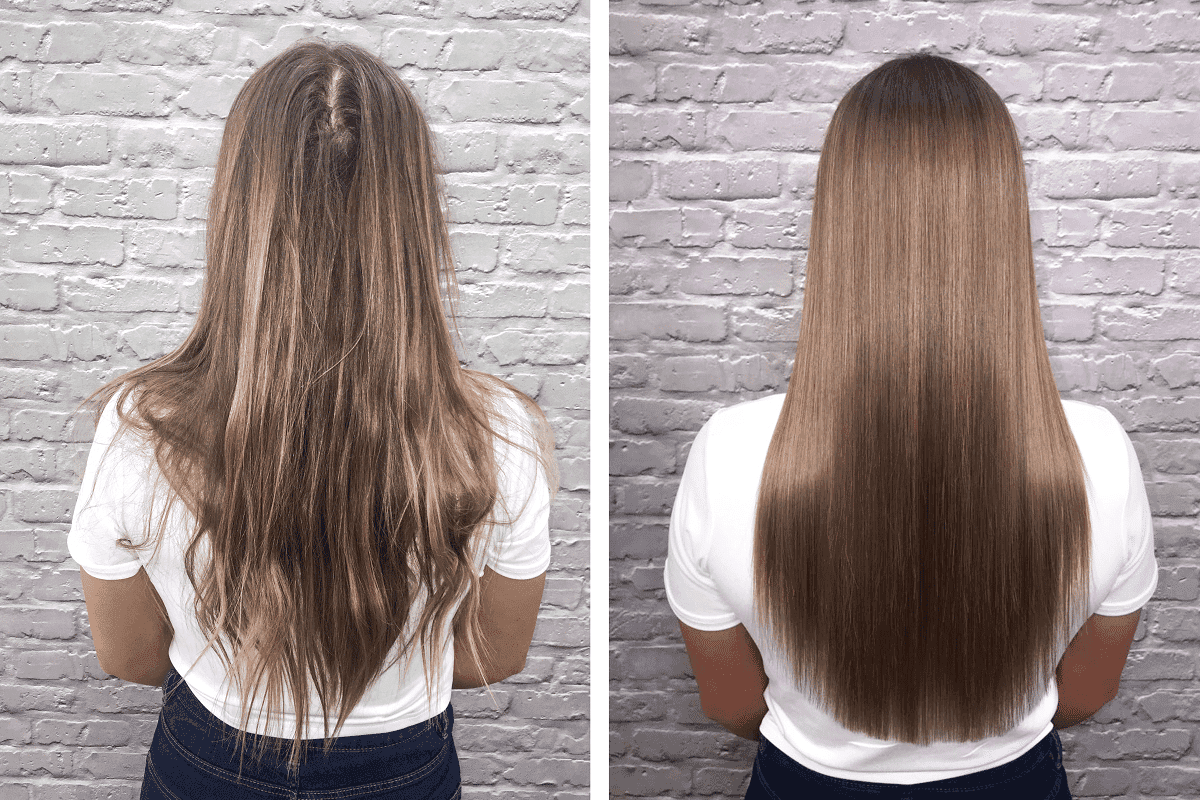
Keratin treatments have become a go-to solution for anyone seeking smooth, shiny, manageable, and frizz-free hair. In today’s fast-paced world, where styling and hair health both matter, keratin treatment offers a semi-permanent method to transform hair texture and strength. From repairing damage to reducing styling time, this treatment appeals to a wide range of people, from those with frizzy curls to those with straight but dull hair.
In this comprehensive guide, you’ll learn what keratin hair treatment is, how it works, its benefits, the entire procedure step by step, how long it lasts, how to prepare for it, essential aftercare tips, and a balanced look at potential side effects and risks.
What Is Keratin Hair Treatment?
Keratin is a naturally occurring protein found in our hair, skin, and nails. It provides structure and strength to hair strands. A keratin treatment is a professionally-applied cosmetic process that infuses hydrolyzed keratin, often combined with conditioning agents, into the hair shaft to smooth the cuticle, reduce frizz, and lend shine and softness.
The treatment works by adding proteins back to hair that may have been lost due to environmental exposure, repeated chemical treatments, heat damage, or simply aging. Although people sometimes hope it will directly cause hair growth, the primary purpose is to improve the appearance and manageability of hair, not necessarily to increase its natural growth rate.
Types of Keratin Treatments
There are several kinds of keratin treatments available, each designed for different goals and hair types:
1. Brazilian Keratin Treatment
This is one of the most popular options. It’s especially effective for curly or frizzy hair, transforming unruly strands into sleek, smooth hair. Results typically last 3–6 months, depending on hair condition and aftercare.
2. Soft Keratin Treatment
For individuals who want to reduce frizz while still keeping some natural texture, soft keratin is ideal. It less aggressively alters your curls or waves and focuses more on definition and smoothness.
3. Japzilian Keratin Treatment
This is a blend of Brazilian and Japanese smoothing techniques, suitable for many hair types. It can take longer (about 4 hours) but offers extended smoothness, often lasting up to 5 months.
4. Keratin Express
Designed for quick results, usually within an hour, this treatment primarily helps with frizz and surface smoothness. Combined with keratin-based shampoos or products at home, you can maintain results for up to 6 weeks before needing re-application.
Why Choose Keratin Treatment? (The Benefits)
Keratin treatments offer several key advantages that make them popular:
1. Smoother, Frizz-Free Hair
Keratin helps to smooth the hair cuticle, reducing the frizziness caused by humidity or damage. This results in hair that’s soft, sleek, and more uniform in appearance.
2. Repair and Strengthen Damage
By filling gaps in the hair shaft and restoring protein content, keratin can help repair damage from heat styling or chemical treatments, making strands healthier and stronger.
3. Enhanced Shine and Texture
Treatments reflect light more easily, giving hair a glossy and vibrant finish. This effect also makes styling more flattering and easier to maintain.
4. Less Styling Time
Post-treatment, hair is easier to manage, dries faster, and typically requires less heat styling. This saves time and reduces further damage from frequent use of styling tools.
5. Long-Lasting Results
Depending on your hair type and aftercare routine, the results can last 3–6 months or longer. Well-maintained hair can retain the smoothness and shine throughout this period.
6. Suitable for All Hair Types
Whether your hair is curly, straight, wavy, or chemically treated, keratin treatments can improve manageability and overall appearance.
7. Protection Against Environmental Stressors
By forming a protective layer around each strand, keratin helps shield hair from UV rays, pollution, and heat damage, reducing long-term wear and breakage.
How Keratin Treatment Works: The Science Behind It
Hair is primarily composed of keratin protein strands that can break down over time due to heat, UV exposure, chemical services, or even stress. A keratin treatment replenishes this protein by infusing hydrolyzed keratin into the hair shaft, then sealing it with heat through blow-drying and flat ironing.
This process:
- Restores protein levels
- Smooths the cuticle
- Strengthens hair structure
- Reduces frizz
- Enhances shine and elasticity
Often, the keratin used in salons is in hydrolyzed form, meaning the keratin molecules are small enough to enter the hair shaft easily, rather than only coating the surface. This helps with deeper repair and longer-lasting results.
Keratin Treatment Procedure: What to Expect
A typical keratin session involves several key steps:
1. Hair Preparation
Your stylist will start by ensuring your hair is clean and dry. Sometimes, split ends may be trimmed to ensure even application.
2. Applying the Keratin Solution
The keratin formula, often mixed with conditioning agents, is applied from root to tip. Stylists meticulously work section by section to ensure thorough coverage.
3. Heat Activation
Once the keratin is on the hair, it’s either blow-dried or left to process, then sealed with a flat iron at high heat. This locks the keratin into the hair cuticle and activates its benefits.
4. Waiting Period
After treatment, you may need to avoid washing your hair or wetting it for 24–48 hours so the keratin has time to fully bond. This is vital for longer-lasting results.
5. Aftercare Routine
Once the waiting period is over, you’ll follow a recommended aftercare regimen (more on this later). Using sulfate-free shampoos and minimal heat styling helps maximize the benefits.
How Long Does Keratin Treatment Last?
The longevity of a keratin treatment depends on:
- Hair health and thickness
- Quality of products used
- Aftercare practices
- Frequency of washing
On average, results last 3–6 months, though heavier or thicker hair might retain smoothness longer with proper care. It’s not permanent, and renewing the treatment every few months is typical for continued smoothness.
Preparing Your Hair for Keratin Treatment
To maximize results:
1. Clarify the Hair
Use a clarifying shampoo a few days before your appointment to remove oil and product buildup, allowing better keratin absorption.
2. Avoid Chemical Processes
Stay away from coloring, perms, or other chemical services at least two weeks before keratin, as these can interact with the treatment.
3. Trim Split Ends
Trim damaged ends beforehand to promote even results and reduce frizz.
4. Deep Condition
Hydrated hair absorbs keratin more effectively, optimizing smoothness and shine.
Aftercare Tips: Maintaining Your Keratin Look
Aftercare is essential to prolong results and maintain hair health:
1. Wait Before Washing
Avoid washing your hair for the initial 24–48 hours to allow full keratin absorption.
2. Use Sulfate-Free Hair Products
Sulfates strip keratin, diminishing results faster. Opt for sulfate-free shampoos and conditioners.
3. Protect from Water Elements
Chlorine and saltwater can degrade keratin; use a swim cap if swimming.
4. Reduce Heat Styling
Limit blow drying and flat ironing, and always use a heat protectant if you do style with heat.
5. Avoid Tight Hairstyles
Tight ponytails or braids within the first few days can create dents or disrupt smoothness.
6. Use Silk Pillowcases
A silk or satin pillowcase reduces friction and helps maintain shine and texture.
7. Regular Deep Conditioning
Keep your hair hydrated to retain strength and shine throughout the treatment period.
Potential Side Effects & Risks
While keratin treatments offer many benefits, they do come with possible side effects, especially if not applied or cared for properly.
Scalp Irritation & Allergic Reactions
Some users experience redness, itching, or allergic responses due to chemical exposure.
Chemical Fumes
Traditional keratin treatments may involve formaldehyde or formaldehyde-releasing compounds, which can irritate eyes, skin, and respiratory systems. Long-term exposures have raised health concerns.
Hair Damage
Overuse or incorrect application, especially on damaged hair, can lead to breakage, dryness, or altered texture.
Unintended Texture Changes
Multiple treatments without adequate breaks can interfere with your hair’s natural pattern, sometimes requiring ongoing keratin to maintain its look.
Respiratory & Health Concerns
Formaldehyde exposure has been linked to serious health concerns, prompting bans or restrictions in some countries. Exposure in poorly ventilated salons increases risk.
Frequently Asked Questions (FAQs)
Q: Is keratin treatment suitable for everyone?
A: Most hair types can benefit, but those with very fine, damaged, or chemically stressed hair should consult a stylist for the most appropriate formula.
Q: Can I dye my hair after a keratin treatment?
A: It’s best to wait at least two weeks after treatment before coloring to avoid interference with the keratin’s effects.
Q: Will keratin treatment make my hair permanently straight?
A: No results are semi-permanent and generally last a few months. Over time, hair will gradually return to its natural texture.
Q: Is keratin treatment safe during pregnancy?
A: Many professionals advise avoiding keratin treatments during pregnancy because of chemical exposure; alternatives or waiting might be recommended.
Conclusion
Keratin hair treatment continues to be one of the most effective ways to transform frizzy, unmanageable hair into smooth, shiny, easy-to-style locks. With benefits like reduced styling time, improved strength, frizz control, and a long-lasting, sleek finish, it’s no wonder so many people choose this treatment.
However, it’s equally important to be aware of potential risks, especially related to chemical exposure and possible irritation. Choosing a professional stylist, ensuring proper ventilation, using sulfate-free products, and following aftercare instructions rigorously can help you achieve safe, beautiful results.
Ultimately, when done correctly and with appropriate care, keratin treatment can be an excellent option to rejuvenate hair health and confidence in your daily styling routine.